What is the recommended upgrade schedule for self hosted systems?
Quarterly release schedule for maintenance releases, makes for a smooth and regulate process
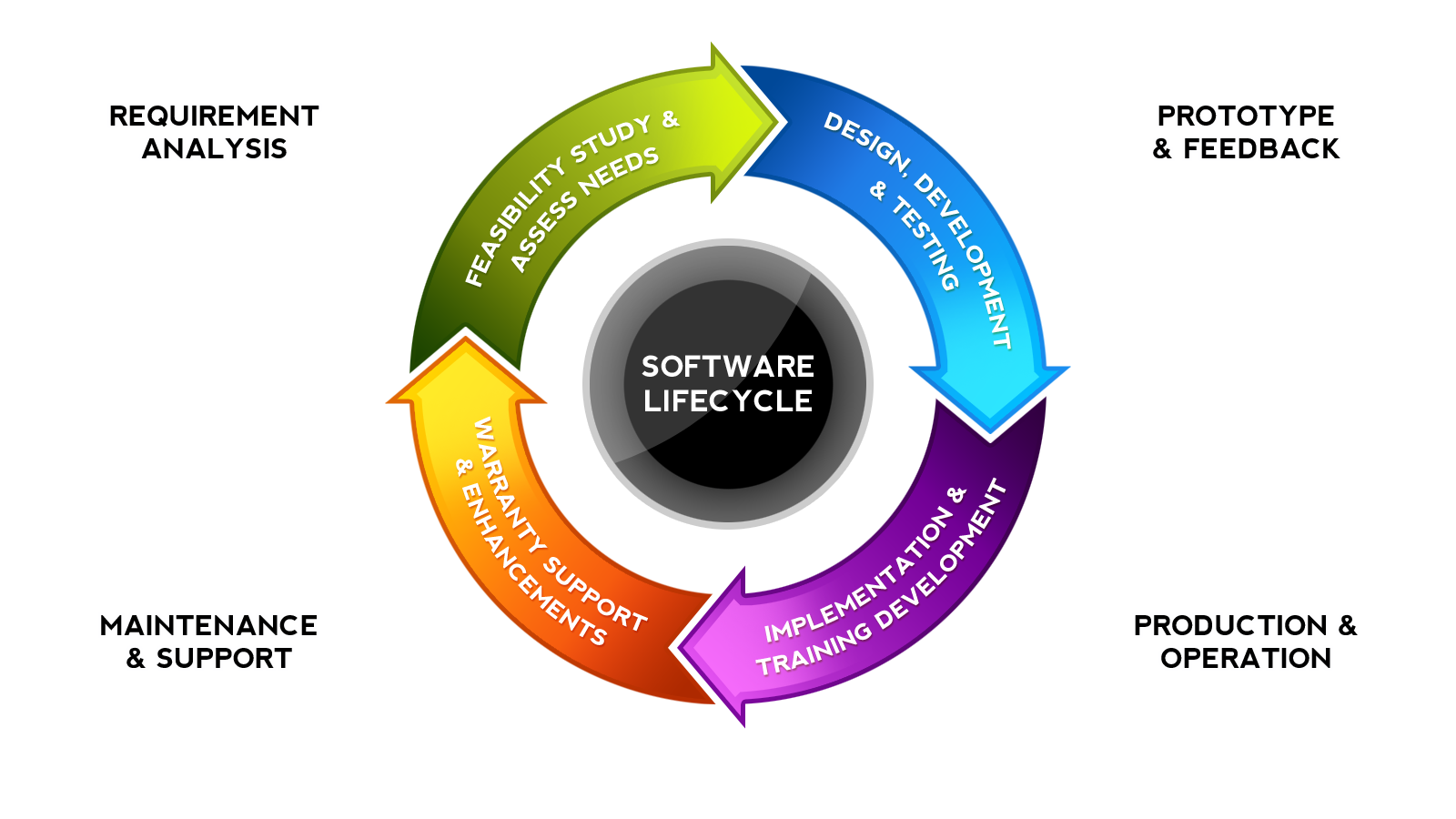

We recommend at least quarterly maintenance release are installed to your test environment, tested then promoted to your production system as part of the normal software maintenance cycle.
Regular and timely updates reduce the risks of running a live system that is out of sync with stSoftware's current version and enables your users to benefit from our R&D program, which is our investment and commitment to continually improve our systems for our customers (in recent years we have typically invested over $250,000.00 annually in our R&D program).
In our updates we release;
- new functionality, such as in recent updates: new integrated Website/CMS and Document modules, an upgraded Email module, new Calendar and Event Timeline (better visual interface, select multiple filters, multiple staff to view with easy drag and drop functionality, integrated Google maps), and;
- a program of ongoing maintenance and usability improvements, such as: enabling continued system compatibility with emerging technology (making sure our systems work optimally on new browser versions, new smart phones/tablets etc), keeping pace with the latest national/international standards, continuously improving security and access controls. These are usually back-end and may not be obvious to your users but are very important for continued smooth operation, increased performance and usability and reducing risks.
The main external components that the system relies on are Java and the underlying database itself. The operating system, Java and the database must also be maintained with regular upgrades.
See the Java support schedule, Java 6 was "end of life" as of Feb 2013. The stServer will run on the current supported version of Java, as of March 2014 Java 7 is the only supported version. Java 7 will be supported until at least March 2015